
What Are The Most Dangerous Motorcycle Safety Myths

It doesn’t matter if you’ve been a licensed motorcycle driver for days or years. Regardless of your level of experience, there are certain motorcycle myths that both riders of motorcycles, and those driving alongside them on busy roads, hear on repeat.
Like many other myths, some are motorcycle myths are based in truth whereas others are far more fictional. We’re here today to bring these myths to light and see which of them hold true. Differentiating between fact and fiction can help us all be safer, more informed drivers.
Free Motorcycle Insurance Comparison - Save up to 30%
No junk mail. No spam calls. Free quotes.
No Signup required
The Most Common Motorcycle Myths
- Leather Lies.
If you’ve seen motorcyclists and their various representations in the media, you may think wearing leather jackets is a personal choice just to appear cooler. But leather is actually safety gear. This material is extremely resilient and protects cyclists from cuts and abrasions as well as acting as a good insulator. - Helmets Restrict Vision.
Some people say wearing a full-face helmet will restrict your vision and pose dangers while riding at high speeds, but what if we were to tell you that all helmets provide a minimum 210-degree view and protect your eyes against dust, bugs, wind, and debris? - Safe Things in Small Packages.
Large bikes are often favored by new riders, who see a certain safety in their heavy frame. However, their heavy frames and higher torque mean they are much harder to maneuver and control in dangerous situations, making them much more dangerous than middleweight bikes. - Exhausting Myth.
Some people claim that loud exhaust pipes are useful since the increased noise will notify nearby motorists and make sure they are safely maneuvering around the motorcyclists. What many people don’t realize is the loud noise is most apparent to the vehicle directly behind the motorcycle—people who already see the bike. The drivers who need to see the bike—those to the front and side, where the bike is most vulnerable—don’t hear or benefit from the noise. - Liability is enough.
Because liability insurance is the only insurance required by some states, many motorcyclists assume it’s all they need. In fact, liability only covers damage you do to other people or property. It doesn’t cover damage done to you or your property. If you only have liability insurance, now’s the time to get a free insurance quote for collision and medical payment insurance. - Highway Safety.
While highways see higher speeds than city streets, they are far safer. Highways have little to no traffic and have physical dividers between lanes that prevent head-on collisions—unlike busy city roads. - Lie Down and Wait.
While it may sound absurd, some seasoned riders promote the dangerous idea that when an accident is imminent, the safest thing to do is to lay down on the asphalt, while in fact, the last place you’d want to be in an accident, is to be on the ground, where you can get hurt the easiest.
You know what they say: knowledge is power. Now that we have discussed and debunked these common motorcycle safety myths, use this intel to go out there, and make safer choices.
Free Motorcycle Insurance Comparison - Save up to 30%
No junk mail. No spam calls. Free quotes.
No Signup required
What Is The Safest Place To Ride A Motorcycle Highway Or Streets

While being a driver of a motorcycle may be a lot more fun than being a driver of a car or truck, it’s also demonstrably less safe. This is because a lot of safety features of the car are simply absent in the motorcycle: from a bumper, to an airbag, windshields, and seatbelts, to general stability of four or more wheels against two; the motorcycle is significantly less safe than a car. In 2019 the Insurance Information Institute reported that the national fatality rate of motorcycles was 6.2 times higher than those of cars and 8.2 times more than light trucks.
However, it should be also stated that while motorcyclists are more likely to suffer severe injury or death in an accident, they are also far safer drivers. Studies show that motorcycle drivers understand the rules of the road better than their four-wheeled counterparts.
Even with a superior understanding of road safety, the fact remains that some places are safer for motorcyclists than others. But which is safer for motorcycles: highways or streets?
Read on to find out.
Free Motorcycle Insurance
comparison - save up to 30%
Free Blog Insurance
comparison - save up to 30%
Riding Motorcycles on the Highway
Is it safe to ride a motorcycle on the highway?
Let’s start with a few facts.
According to the Federal Highway Administration, only interstate and non-interstate freeways and expressways are considered highways, which hold a surprising 17% of all crashes on roads country-wide.
The other 87% of crashes occur on major urban and rural roads that aren’t highways, local roads, and non-interstate minor arterial and collector roads. The highest percentage of accidents in fact take place on regular city streets, contributing a whopping 29% of motorcycle fatalities!
So What Is The Safest Place To Ride A Motorcycle?
With all the perceived dangers of the highway—notably its higher average speeds—highways are still much safer than city streets for motorcycles. In fact, according to the Hurt Report of 1981, less than 1 in a thousand accidents happened over 86 miles per hour.
A few factors contribute to the relative safety of highways for motorcycles:
- Highways use physical dividers between oncoming lanes, making head-on collisions very rare.
- Connecting and merging lanes are clearly signposted, decreasing the chances of mistaking lanes and getting into accidents.
- Congestion is less common on highways than on city streets, and cars flow smoothly, meaning there are fewer differences between the average speed of different cars, preventing being rear-ended by a faster car.
- Highways are often much wider and with many more lanes, simply providing more space to freely move and avoid danger.
It may surprise you that highways are one of the safest places to ride a motorcycle, but the facts are undeniable. To keep yourself safe, drive safely and stay alert on every road—especially in cities.
Also, make sure you’re covered with enough insurance. Even if you do everything right, that doesn’t guarantee other drivers will, and basic liability insurance doesn’t protect you or your bike from damage. It only protects other people from damages caused by you.
Get access to fast and free quotes for motorcycle insurance now.
Free Motorcycle Insurance
comparison - save up to 30%
What Are The Safest Cities To Ride Motorcycle?

Let’s say you’ve saved up enough money to finally do that cross-country travel you always dreamed of, and you’re wondering: what are the safest cities to ride your motorbike? Even if you’ve been traveling within your city confidently for quite some time that doesn’t necessarily mean you’ll be good to drive through every city.
While you’ll most likely stick to highways and expressways on your road trip, every once in a while, you will inevitably be forced to pass through a busy metropolis. You’d be surprised to hear which cities are safest for your journey, and of course, which cities are perhaps better to avoid due to the sheer number of their motor-vehicle and motorbike accidents.
Free Motorcycle Insurance Comparison - Save up to 30%
No junk mail. No spam calls. Free quotes.
No Signup required
The Safest Cities to Ride Your Motorbike Explained
You’d think that traveling at top legal speeds on freeways would pose more threats to your safety, but the greatest threat to your safety as a motorcycle driver is in densely packed cities. The increased number of motor vehicles, more dangerous roads, and most importantly, the presence of pedestrian traffic make city roads the most dangerous roads for motorcyclists.
So What Are The Safest Cities For Motorcyclists?
The safest cities for motorcyclists are Midwestern and Southwestern cities in the country. According to the rankings, the very safest city is Fort Collins, Colorado with a whopping 28.8% reduction to the average collisions by motorcyclists elsewhere in the US. Among other safe cities are Boise, Idaho, and Sioux Falls, South Dakota.
The Most Dangerous Cities for Motorcyclists
Compared to the Midwest and Southwest, the East coast contains a dangerously high number of the country’s most dangerous cities for motorcyclists. The single most dangerous city for motorcyclists is by far, Washington D.C. with a 109.3% increase in collisions than the national average, trailed behind closely by Baltimore, Maryland, and Providence, Rhode Island.
Free Motorcycle Insurance Comparison - Save up to 30%
No junk mail. No spam calls. Free quotes.
No Signup required
Stay Safe on the Roads
Having heard all the information on the safest and most dangerous cities to ride your motorcycle through, you should also remember that motorcyclists are also more likely to get seriously hurt in an accident, compared to other drivers of vehicles. The reason is simple: there’s less protecting you. So, if you are planning a road trip, or if you live in one of the more dangerous cities for motorcycle drivers, be careful, and stay safe.
Safety and protection start with getting insured —fully insured. If you only have liability insurance on your motorcycle, which is usually the bare minimum, consider getting collision coverage and medical payments coverage. Both of these plans will protect you more fully, not only against the harm you may do to others, but also against theft, and damage to your body or bike.
Motorcycle Insurance in the Event of an Accident

Insurance acts as a financial safety net in all kinds of situations. It can help you if your bike is vandalized, stolen, or damaged in an accident. However, the amount of coverage you have will determine how many situations you are insured in, as well as the size of your claim.
Keep reading to ensure you have the best coverage in place for all types of situations, including motorcycle coverage after a wreck.
Free Motorcycle Insurance Comparison - Save up to 30%
No junk mail. No spam calls. Free quotes.
No Signup required
What Type of Motorcycle Insurance Policies Are Available?
- Liability Coverage: In most states, this is the minimum amount of coverage that you’re required to have. This coverage extends to injuries caused to other people, and to any damages incurred on other people’s property in an accident.
- Collision Coverage: This additional coverage can help you pay for repairs to your bike after an accident. While this is not required by the state, it may be required if your bike is leased or financed.
- Medical Payments Coverage: This coverage is exactly what it sounds like, meaning that it helps you pay for any resulting medical bills after an accident. They could be your own bills or those of another person involved in the wreck.
Are Accidents Covered Even If My Friend Is Driving My Bike?
- If you have a comprehensive insurance plan that covers other drivers
- How much coverage you have, and how much of that coverage extends to other drivers
- If your friend has their own motorcycle insurance policy
- Whether your friend’s policy covers other vehicles
- If your friend’s motorcycle insurance policy is primary or secondary to yours (this will be stated in the policy documents)
Free Motorcycle Insurance Comparison - Save up to 30%
No junk mail. No spam calls. Free quotes.
No Signup required
How Do I Determine What Kind of Policy I Have?
Read your insurance policy from start to finish. This is the best way to actually understand what coverage you have and how it all works.
We know that the insurance jargon can be difficult to understand, and that’s why there are insurance brokers to help you. Not only can they help you comprehend your current coverage, but they can also help you adjust your policy to better suit your needs.
You’re not alone. ConsumerCoverage can help get you free motorcycle insurance quotes so that you get the right coverage for the right rate. Safe driving!
Understanding Brand New Bike Insurance
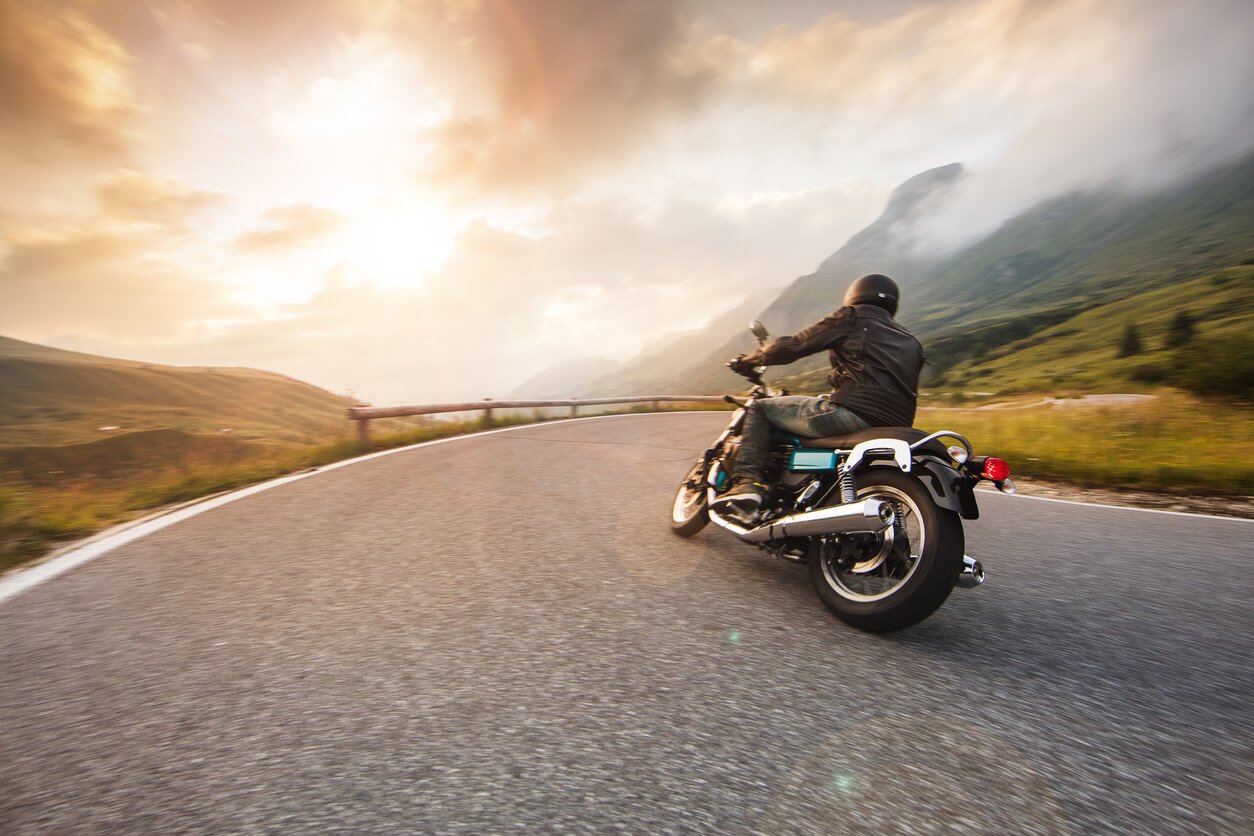
Nothing compares to rolling off the lot with a stunning new steel horse beneath you that glimmers in the sunshine. But before you take your new ride on its maiden voyage, make sure it’s adequately insured.
But what kind of motorcycle insurance options do you need for a new bike? Read on to find out the best coverage options for your new motorcycle!
Free Motorcycle Insurance Comparison - Save up to 30%
No junk mail. No spam calls. Free quotes.
No Signup required
What’s New Bike Insurance & Do I Need It?
To clarify, when we say “new” bike, we’re referring to a single-owner motorcycle that’s under two years old. Usually, buying a motorcycle second-hand (you’re the second owner) precludes you from calling your ride a “new” motorcycle—instead, it’s a new to you, bike.
There are further provisions, such as the motorcycle cannot be a few models old, and each insurer’s definition of brand new may differ.
Why Motorcycle Insurance Is a Must
- It’s Legally Required: The old adage “rules are meant to be broken” does not apply to skipping out on insurance. Legally you are required to have insurance, even if it’s just state minimums. You face jail time, license suspension, and hefty fines if you get busted for driving without insurance.
- Car Accidents Happen Frequently: Statistics show that a car crash occurs every five seconds in the USA, so every time you hit the road, you run the risk of being in a costly accident.
- It Can Save You Money in the Long Run: Due to the high rate of accidents in the USA, having insurance can save you from paying out-of-pocket damages. Depending on the coverage you select, motorcycle insurance can shelter you from paying for personal injury bills or damages to another driver if you cause the accident (liability or state minimum coverage). Or it can be more comprehensive and protect you from shelling out your hard-earned money, regardless of fault (comprehensive coverage).
- It Covers Your Bike Against Theft: With comprehensive coverage, another desirable feature to new motorcycle owners is insurance will replace your ride if it’s stolen.
Free Motorcycle Insurance Comparison - Save up to 30%
No junk mail. No spam calls. Free quotes.
No Signup required
The Benefit of Extra Coverage on a New Motorcycle
- Loan or Lease Gap: If you’ve leased a motorcycle and you total it, loan or lease gap coverage will cover the difference between the actual cash value and what’s remaining (lease or loan) on your bike. This coverage can be added to either collision or comprehensive coverage and is something to consider if you don’t own your motorcycle outright.
- Repairs Provision: If you get into an accident and damage your bike, this provision will pay for repairs without considering depreciation, even if insurance picks up the bill to repair your motorcycle with repairs provision coverage.
- Customize Parts: If your motorcycle is not only new but customized with additional accessories—further increasing the value of your ride—you should consider adding customized parts coverage to your new bike insurance policy. With this insurance add-on, if your motorcycle is damaged, totaled or stolen, your insurance check will pay for the customized parts, not just the factory parts. However, every insurer has customized parts limitations, so it’s wise to check the coverage limits.
- New Motorcycle Insurance: New bike insurance is the most important coverage you should add to your motorcycle insurance policy. Brand new bike insurance pays to replace your totaled motorcycle. In fact, this insurance product can help you exchange your new (but totaled) ride for the same one as it doesn’t consider depreciation.
New Bike Insurance: What You Should Know
You’ve got that new ride feeling, so protect your investment by having the right new bike insurance coverage in place. After all, you don’t want to get caught with subpar or no insurance and pay out-of-pocket for damages, so it’s worth it to do your due diligence and find the right new motorcycle insurance for you.
ConsumerCoverage can help by getting you access to free quotes quickly, so that you can get back to the open road.
Tips on Buying a Second Hand Motorcycle: Read This Before You Buy

Buying a used bike is practical for many reasons. Whether you’re an avid biker or new to the world of motorcycles, buying used can save you money and still get you access to great rides. But not all used bikes are the right buy, so you’ll want to know what to look for (and avoid) before you start shopping around for your next ride.
Keep reading for tips on buying second-hand motorcycles so you can hit the road in your dream ride.
Free Motorcycle Insurance Comparison - Save up to 30%
No junk mail. No spam calls. Free quotes.
No Signup required
Choose Motorcycle Type
- Standard
- Cruiser
- Sport Bike
- Touring
- Off Rod
- Moped
- Dual Sport
- And more
Find Options
Now comes the fun part. You get to shop around for your dream used bike! Keep in mind that the source of your used bike could be either a dealership or a private seller, and both are great options. You may have more trust in buying from a dealership, but you can find some incredible deals on private sales. Either way, be sure to do your research on each particular bike before closing the sale.
Compare Prices
Once you’ve found a great option, it’s time to do your homework. You’ll want to compare the cost to market prices for the same make and model to ensure you’re paying a fair price. NADA Guides and Kelley Blue Blue can help you be sure the price is right for each bike based on its make, age, and condition.
It’s not a bad idea to also research the cost of maintenance and parts for that bike, so you get an idea of how much you might be spending down the line. If parts are hard to find or expensive, then the great deal on the bike might not be such a great deal after all.
Free Motorcycle Insurance Comparison - Save up to 30%
No junk mail. No spam calls. Free quotes.
No Signup required
Inspect the Bike
- Tires are in good condition without excessive wear
- Check the body for scratches, dings, and rust
- The fuel tank should be free of rust and dents
- The drive chain and sprocket should not be easy to move
Don’t Forget Insurance
- Comprehensive
- Collision
- Property damage
- Personal injury protection
- Uninsured/underinsured motorist coverage
- Medical payments
- And more
Key Takeaways: Tips on Buying 2nd Hand Motorcycle
Buying a used motorcycle can save you money while riding fantastic bikes. But like buying anything used, there are always risks involved. These tips on buying a secondhand motorcycle will help you steer clear of the pitfalls of buying a used one and land a superior bike for the right price.
Insurance is easy to overlook, but it’s just as important for a used bike as for a brand new motorcycle. Be sure to explore your coverage options and decide how much protection you’d like so that you can set up the right coverage before taking your new (to you) bike for its first ride. Start by getting access to free quotes quickly thanks to ConsumerCoverage, so you can check “insurance” off your list.
Happy cruising!
Shift Into High Gear With the Coverage You Need

Mopeds and scooters have gained popularity in recent years, and the requirements around scooter insurance are starting to catch up. Unfortunately, these requirements vary widely by state and insurance provider, which makes it difficult to know what coverage you need.
But we’ll help clear up any doubts and ensure you know exactly what coverage you need (or don’t) to ride your scooter wherever the road takes you.
Free Motorcycle Insurance Comparison - Save up to 30%
No junk mail. No spam calls. Free quotes.
No Signup required
Understanding Insurance for Scooters
Most states require scooters and mopeds to have some form of insurance, and that generally defaults to motorcycle insurance. Specific insurance policies for scooters are rare, although that may change in the coming years.
It’s important to note that some states have different definitions for scooters, which can add to the confusion. For example, New York has three different classifications for scooters, but only two of the classes require insurance.
The good news is, insurance for scooters is typically more affordable than a motorcycle or car insurance. This is because scooters usually can’t go as fast as other vehicles, limiting their risk. So you’ll get to sidestep traffic on your scooter and save money on insurance—it’s a win-win!
Insurance Coverage Requirements for Scooters
- Medical payments
- Uninsured/underinsured motorist coverage
- Comprehensive coverage
- Roadside assistance
Free Motorcycle Insurance Comparison - Save up to 30%
No junk mail. No spam calls. Free quotes.
No Signup required
How to Get Insurance for a Scooter
Getting insurance for a scooter or moped is easier than you might think. You can easily get online quotes by entering your scooter’s make and model information, just like you would for car insurance. If for whatever reason, you can’t enter your scooter’s information, you may need to call the insurance provider, but you should still be able to get coverage.
Short on time? Let ConsumerCoverage do the work for you and get you to access to free quotes.
The Bottom Line
Insurance coverage for a scooter or moped isn’t as universal and fleshed out as car insurance, but it’s getting there. When figuring out coverage, it’s most important that you check your state’s requirements for your specific type of scooter, since this can still vary widely across state lines.
Remember that just because a scooter is less risky compared to a car or motorcycle, that doesn’t mean you should forego insurance. Having coverage in place before you need it is key so that you can hit the road with confidence. Getting coverage is easier than ever: just click here for access to free quotes that fit your needs, and get back to enjoying the open road.